
Castor Oil vs Rosemary Oil – Which Is Better?
Castor oil and rosemary oil are two of the most popular natural remedies for hair growth. But they’re not the same — and depending on your hair type and goals, one may work better than the other. This guide breaks down the differences so you can choose the best option for your hair.
11/23/20252 min read
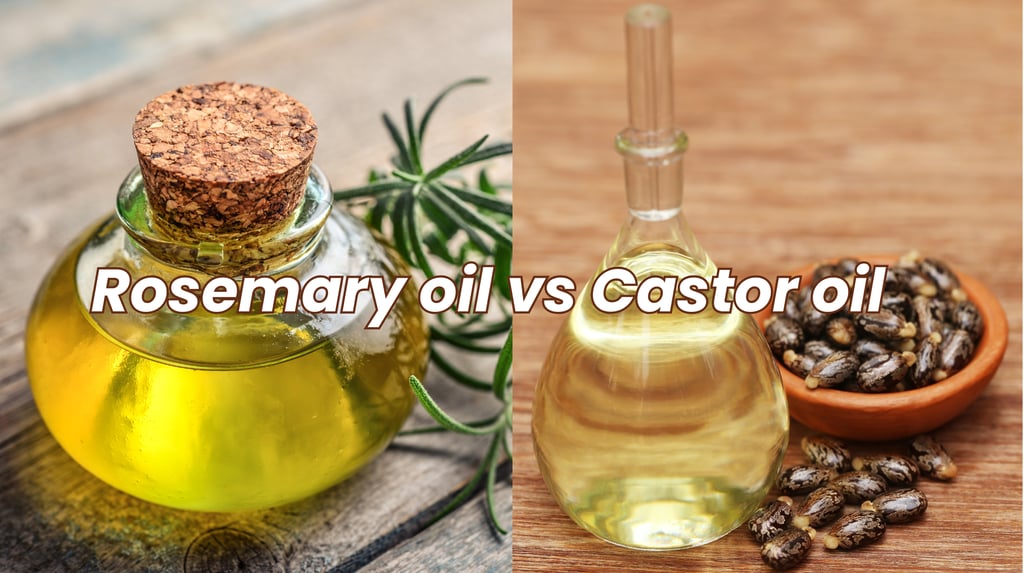
What Castor Oil Does Best
Castor oil has been used for generations as a hair-strengthening and hair-thickening treatment. Rich in ricinoleic acid, it’s known for its ability to nourish the scalp, reduce breakage, and help hair appear fuller over time.
1. Thickens and Strengthens Hair
Castor oil’s signature benefit is how well it strengthens fragile strands. Its thick consistency coats the hair, preventing breakage and protecting it from heat or environmental stress.
2. Great for Edges and Hairline
Castor oil is especially popular for regrowing thinning edges caused by tight hairstyles or postpartum shedding. Many people see baby hairs appear in 4–8 weeks with consistent use.
3. Hydrates and Adds Shine
Because it’s rich and heavy, castor oil deeply moisturizes dry, frizzy, or coarse hair — especially curly and coily textures.
4. Supports Scalp Health
Castor oil’s natural antibacterial and antifungal properties help reduce dandruff, itchiness, and inflammation.
Best for:
Dry or coarse hair
Damaged or over-processed hair
Thinning edges
Curly and coily textures
People dealing with breakage
What Rosemary Oil Does Best
Rosemary oil is a scalp-stimulating essential oil known for promoting hair growth. Backed by scientific studies, it’s often compared to minoxidil for its ability to increase circulation to the follicles.
1. Stimulates Hair Growth
Research has shown that rosemary oil can encourage new growth by improving blood flow to the scalp. It’s especially helpful for early-stage thinning.
2. Reduces Shedding
Rosemary helps soothe inflammation and may block DHT — a hormone linked to hair loss.
3. Lightweight and Easy to Use
Unlike castor oil, rosemary oil is light and absorbs quickly. It won’t weigh down fine or straight hair.
4. Great for Oily or Irritated Scalps
Its antimicrobial and soothing properties help calm itchiness, flakes, and buildup.
Best for:
Oily or sensitive scalps
Early-stage hair thinning
Fine or straight hair
People who want lightweight growth support
Castor Oil vs Rosemary Oil: Which One Should You Choose?
The answer depends on your hair type, scalp condition, and goals.
Choose Castor Oil If You Want:
Thicker, fuller-looking hair
Less breakage and stronger strands
Deep hydration
Better-looking edges
Help for dry, frizzy, or coarse hair
Choose Rosemary Oil If You Want
Faster hair growth
Less shedding
A lightweight oil for daily use
Scalp stimulation
Support for fine or thinning hair
Can You Use Both?
The best part is: you don’t have to choose.
Combining castor oil + rosemary oil is one of the most effective natural routines for hair growth.
How to Combine Them
Mix 1 tablespoon castor oil with 3–4 drops rosemary oil
Massage into scalp 2–3 times a week
Leave for 30 minutes (or overnight) and wash
This gives you: rosemary for growth + castor oil for thickness and strength
The result?
Softer, fuller, stronger hair over time.
Stay
Get beauty tips and updates straight to you
Contact
Connect
hello@thatbeautymood.com
+1-406-308-7892
© 2026. All rights reserved.