
Chemical vs Mineral Sunscreen: What’s the Difference and Which One Is Better?
Sunscreen is one of the most important steps in any skincare routine, yet choosing the right type can be confusing. If you’ve ever wondered whether you should use chemical sunscreen or mineral sunscreen, you’re not alone. Both protect your skin from harmful UV rays, but they work in different ways and suit different skin types.
12/23/20252 min read
What Is Chemical Sunscreen?
Chemical sunscreen uses active ingredients that absorb UV rays and convert them into heat, which is then released from the skin.
Common chemical sunscreen ingredients include:
Avobenzone
Octinoxate
Octisalate
Oxybenzone
Homosalate
How it works:
Chemical filters absorb UVA and UVB rays before they can damage the skin.
Pros of Chemical Sunscreen
Lightweight and easy to apply
No white cast
Works well under makeup
Often water-resistant
Cons of Chemical Sunscreen
May irritate sensitive skin
Needs about 15–20 minutes to activate
Can cause stinging around eyes for some people
Chemical sunscreens are popular for daily wear, outdoor activities, and makeup-friendly routines.
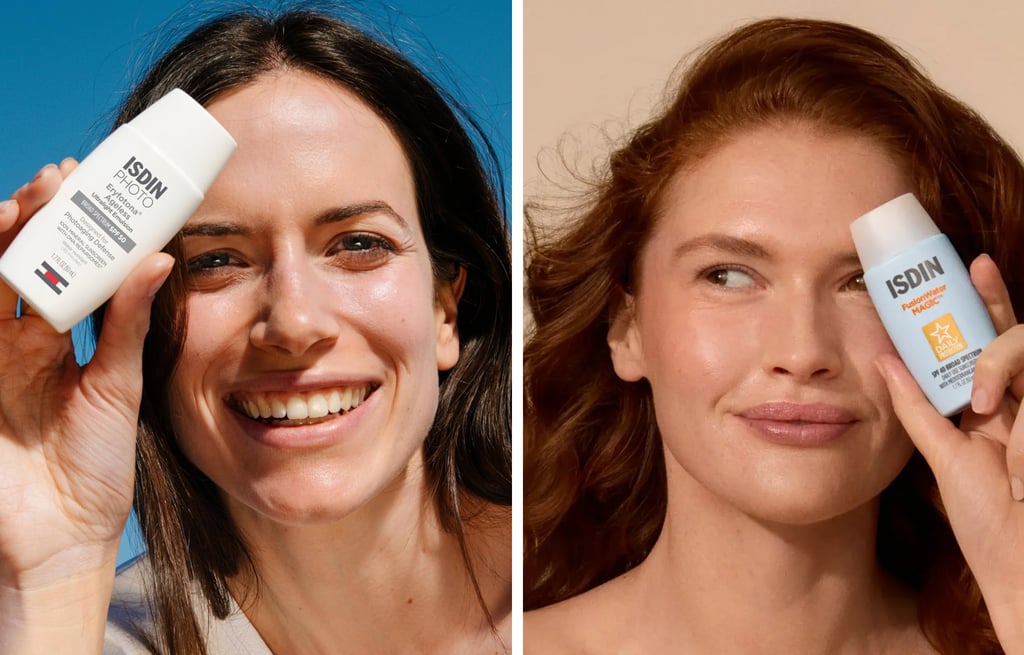
Fusion Water MAGIC SPF 40 is a chemical sunscreen featuring ISDIN’s ultralight, water-based technology. It absorbs quickly, feels weightless, and leaves no greasy residue—making it perfect for everyday wear, especially in hot or humid climates.
The formula includes Hyaluronic Acid for hydration and Vitamin E for antioxidant support. Unlike Eryfotona, this version is not tinted, so it won’t provide coverage or tone correction.
Key benefits
Chemical sunscreen with advanced UV filters
Ultra-light, fast-absorbing texture
Hydrating with Hyaluronic Acid
Comfortable for daily, all-day wear
Works well under makeup
What Is Mineral Sunscreen?
Mineral sunscreen (also called physical sunscreen) uses natural mineral filters that sit on top of the skin and reflect UV rays.
Active mineral ingredients:
Zinc oxide
Titanium dioxide
How it works:
Mineral sunscreen creates a protective barrier that deflects UVA and UVB rays away from the skin.
Pros of Mineral Sunscreen
Gentle and suitable for sensitive skin
Works immediately after application
Less likely to cause irritation
Often recommended for acne-prone or rosacea-prone skin
Cons of Mineral Sunscreen
Can leave a white cast
Thicker texture
May feel heavier on oily skin
Mineral sunscreen is ideal for sensitive skin, post-procedure skin, or those who prefer cleaner formulations.
ISDIN Eryfotona Ageless Tinted Mineral SPF 50+ is a 100% mineral (physical) sunscreen formulated with Zinc Oxide. Instead of absorbing UV rays, it reflects them away from the skin, making it ideal for sensitive, post-procedure, or treatment-compromised skin.
Its standout feature is DNA Repairsomes®, which help repair sun-induced DNA damage, combined with Vitamin E for antioxidant protection. The universal tint provides light coverage and evens out skin tone without leaving a white cast.
Chemical vs Mineral Sunscreen: Key Differences
Feature Chemical Sunscreen Mineral Sunscreen
UV Protection Absorbs UV rays Reflects UV rays
Activation Time 15–20 minutes Immediate
Texture Lightweight Thicker
White Cast None Possible
Sensitive Skin May irritate Very gentle
Which Sunscreen Should You Choose?
Choose chemical sunscreen if you:
Wear makeup daily
Prefer lightweight textures
Have normal to oily skin
Spend long hours outdoors
Choose mineral sunscreen if you:
Have sensitive or acne-prone skin
Experience redness or irritation easily
Want immediate protection
Prefer minimal or clean skincare
You can also use hybrid sunscreens, which combine chemical and mineral filters for balanced protection.
How to Use Sunscreen Correctly
No matter which type you choose:
Use SPF 30 or higher
Apply generously to face and neck
Reapply every 2 hours outdoors
Use sunscreen daily — even on cloudy days
Consistency matters more than sunscreen type.
Stay
Get beauty tips and updates straight to you
Contact
Connect
hello@thatbeautymood.com
+1-406-308-7892
© 2026. All rights reserved.