
Skincare Ingredients to Avoid for Sensitive Skin
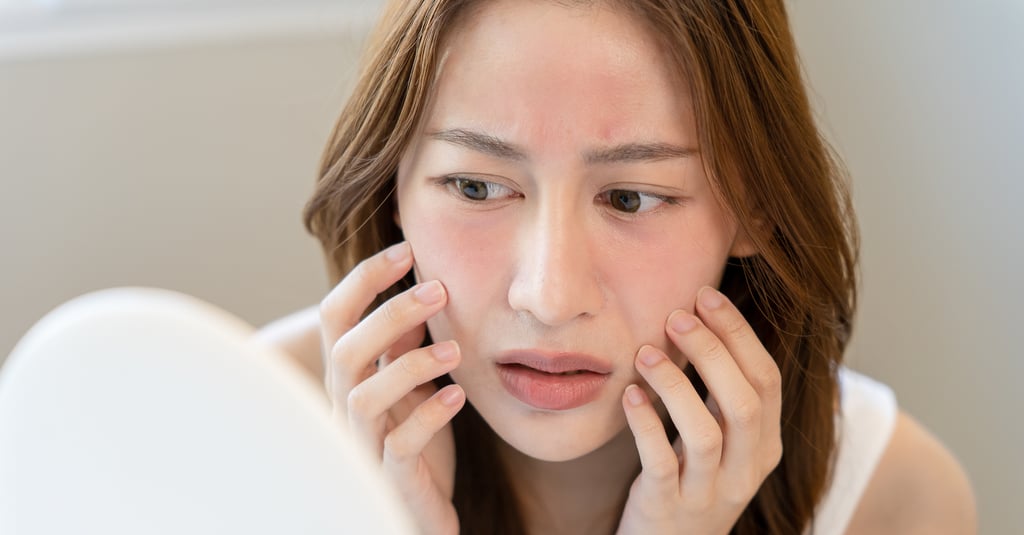
If you have sensitive skin, finding the right skincare products can feel like a constant trial-and-error process. Understanding which ingredients to avoid is one of the most important steps in building a gentle, effective skincare routine. Below are some of the most common skincare ingredients that sensitive skin types should be cautious with — and why.
12/23/20251 min read
1. Fragrance (Synthetic & Natural)
Fragrance is one of the top triggers for sensitive skin reactions. It can be listed as “fragrance,” “parfum,” or even hidden within essential oils.
Why to avoid it:
Can cause irritation, redness, and allergic reactions
Often unnecessary and offers no skincare benefit
Even natural fragrances like lavender or citrus oils can be irritating for sensitive skin.
2. Alcohol (Especially Denatured Alcohol)
Not all alcohols are bad, but denatured alcohol (Alcohol Denat, SD Alcohol) can be extremely drying.
Why to avoid it:
Strips the skin’s natural oils
Weakens the skin barrier
Can worsen redness and sensitivity
Sensitive skin benefits more from hydrating, barrier-supporting formulas.
3. Harsh Physical Exfoliants
Ingredients like crushed walnut shells, apricot kernels, or rough scrubs may feel effective but can cause micro-tears in sensitive skin.
Why to avoid them:
Damage the skin barrier
Increase inflammation
Can lead to long-term sensitivity
Gentle chemical exfoliants (used sparingly) are usually a better option.
4. Strong Acids at High Concentrations
AHAs and BHAs can be helpful, but high concentrations or frequent use can overwhelm sensitive skin.
Examples include:
Glycolic acid (high %)
Salicylic acid (daily use)
Why to be cautious:
Over-exfoliation
Burning or stinging sensations
Increased redness
Sensitive skin should use low concentrations and limit frequency.
5. Essential Oils
Tea tree, peppermint, eucalyptus, and citrus oils are common in skincare — but they can be problematic for sensitive skin.
Why to avoid them:
Highly concentrated
Can trigger irritation or allergic reactions
Often unnecessary in skincare formulas
“Natural” doesn’t always mean gentle.
6. Sulfates
Commonly found in cleansers and face washes, sulfates create a strong foaming effect.
Examples:
Sodium Lauryl Sulfate (SLS)
Sodium Laureth Sulfate (SLES)
Why to avoid them:
Strip natural oils
Leave skin tight and irritated
Disrupt the skin barrier
Sensitive skin prefers gentle, low-foam cleansers.
7. Retinoids (Without Proper Introduction)
Retinoids are powerful and effective — but they can be too harsh if introduced too quickly.
Why to be cautious:
Can cause peeling, redness, and irritation
Requires slow introduction and barrier support
Sensitive skin should start with low-strength formulas and use them sparingly.
How to Protect Sensitive Skin
Instead of focusing only on what to avoid, look for ingredients that support the skin barrier, such as:
ceramides
panthenol
glycerin
hyaluronic acid
centella asiatica
Always patch test new products and introduce them one at a time.
Stay
Get beauty tips and updates straight to you
Contact
Connect
hello@thatbeautymood.com
+1-406-308-7892
© 2026. All rights reserved.